Review: I Like to Think Wine Misses Me Too Svg
As a designer who has spent countless hours digitizing and testing machine embroidery design files for client work, I have learned that not every cute graphic translates well to thread. When I first encountered the I Like to Think Wine Misses Me Too Svg, my initial reaction was one of cautious optimism. The phrase is undeniably witty, tapping into that relatable, tongue-in-cheek humor that resonates with modern parents and wine enthusiasts alike. However, moving from a digital vector or PNG sublimation file to a stitched finished product requires a critical eye. This review breaks down how this specific Graphics asset performs when translated into real-world Crafts projects, focusing on practical application for Etsy seller accounts and boutique shops.
First Impressions and Visual Personality
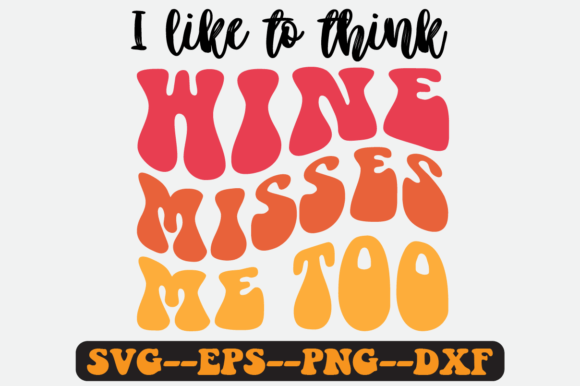
The mood of this design is playful yet sophisticated in its simplicity. It does not rely on overly complex illustrations, which is often a blessing for embroidery. The typography appears to carry a retro vibe, which pairs perfectly with current trends in custom apparel. For an embroidery project, clean lines and readable lettering are paramount. If the source file features thick, bold strokes, it will stitch out beautifully using standard fill stitch techniques. If the font is thin or script-heavy, we must approach it with care to avoid thread breaks or poor definition on textured fabrics.
The visual personality suggests a product that is meant to be seen and smiled at. It is not subtle, but it is not aggressive either. This balance makes it an excellent candidate for a personalized gift that feels thoughtful without being overly sentimental. For a small shop product, this kind of humor drives engagement because it sparks conversation. Customers are more likely to share photos of items that make them laugh, which is free marketing for your craft business.
Real-World Application: The Sweatshirt Test
To truly evaluate the I Like to Think Wine Misses Me Too Svg, I imagined stitching it onto a mid-weight cotton blend sweatshirt. This is a staple item for any handmade product line. On a sweatshirt, the fabric has enough loft to hide minor imperfections, but it also requires proper stabilization to prevent puckering. I would recommend using a cut-away stabilizer for this application, as the garment will undergo frequent washing and wearing.
In this scenario, the design sits comfortably on the left chest or centered on the back. The retro aesthetic complements the casual nature of the hoodie or sweatshirt. When stitching, I would opt for a matte polyester thread to keep the look soft and wearable rather than shiny and cheap. The contrast between the thread color and the fabric is crucial here. A cream or light pink thread on a heather grey sweatshirt would offer high readability while maintaining that vintage feel. This type of sweatshirt embroidery sells well because it is versatile enough for lounging at home or running errands.
Navigating Fabric and Hoop Constraints
While the design is charming, there are limitations to consider. If you are planning to use this on a tote bag design, ensure the canvas is tight enough to support the stitch density. Tote bags often have a loose weave, which can cause small details to get lost or shift during stitching. Always test the design on scrap fabric first. This is non-negotiable for professional results.
For those considering this for baby embroidery, such as on a onesie, proceed with caution. Baby skin is sensitive, and the back of the embroidery must be finished cleanly. If the design includes dense areas, use a soft backing or tear-away stabilizer that removes easily. Additionally, check the hoop size compatibility. If the text is long, it might require a 5x7 or larger hoop. Trying to cram a wide design into a 4x4 hoop can distort the letters, making the joke harder to read. Clarity is key to the humor working.
Textured fabrics like terry cloth towels or fuzzy blankets present another challenge. The I Like to Think Wine Misses Me Too Svg needs clear edges. On high-pile fabrics, consider using an applique technique if the original file allows, or increase the stitch count slightly to ensure the letters pop above the texture. An applique design approach can reduce bulk and improve durability on items that will be washed frequently, such as kitchen towels or holiday embroidery gifts.
Commercial Viability and Brand Consistency
For digital embroidery file sellers or those creating physical goods, understanding the license is vital. Since this is described as a printable product and SVG, you must confirm whether the license permits commercial use of the stitched items. Many designers allow you to sell the physical embroidered patch or shirt but prohibit reselling the digital file itself. Always read the terms before listing on Etsy or at craft fairs.
From a branding perspective, this design fits well within a lifestyle brand that values humor and relaxation. It appeals to dog moms, pregnant women, and anyone who enjoys a glass of wine. By grouping this item with other retro-inspired design assets, you create a cohesive collection. Use printable mockup tools to preview how the design looks on different colors before committing to production. This saves time and thread.
Technical Notes for the Embroiderer
- Thread Colors: Stick to two or three colors max to keep costs down and stitching time efficient. High contrast ensures readability.
- Stitch Density: Check the density settings if you are digitizing this yourself from the SVG. Too dense, and the fabric will pucker; too sparse, and the backing will show through.
- Running Stitch: Use a running stitch underlay to anchor the fabric before the main satin or fill stitches begin. This prevents shifting on stretchy materials.
- Testing: Always stitch a sample on the actual fabric you intend to use. What looks good on cotton may fail on polyester blends.
In conclusion, the I Like to Think Wine Misses Me Too Svg is a strong contender for your next embroidery project. It offers emotional resonance through humor, which is a powerful sales driver. However, its success depends entirely on execution. Pay attention to fabric choice, stabilizer type, and hoop size. When done correctly, it transforms from a simple graphic into a cherished custom apparel piece that customers will love to wear and gift. Keep your stitches tight, your tension balanced, and your sense of humor intact.