Reviewing the Cashier Life Quote Retro Svg Design
As a designer who spends more time staring at stitch maps than actual fabric, I have learned that not every graphic translates well into thread. When I first pulled up the Cashier Life Quote Retro Svg Design, my initial reaction was one of cautious optimism. The retro aesthetic is currently dominating the handmade market, but executing it in embroidery requires a delicate balance between nostalgia and technical precision. This isn’t just a digital file; it is a potential cornerstone for a small shop product line, provided you understand how it behaves under the needle.
First Impressions and Visual Personality
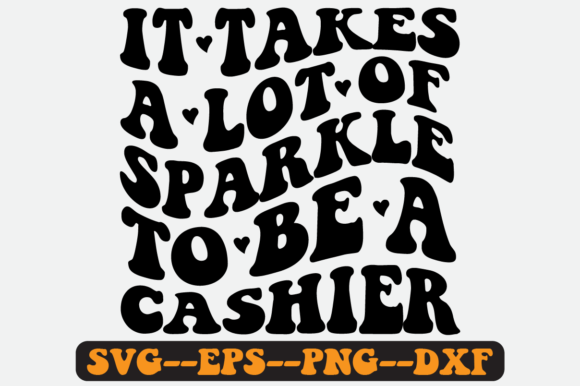
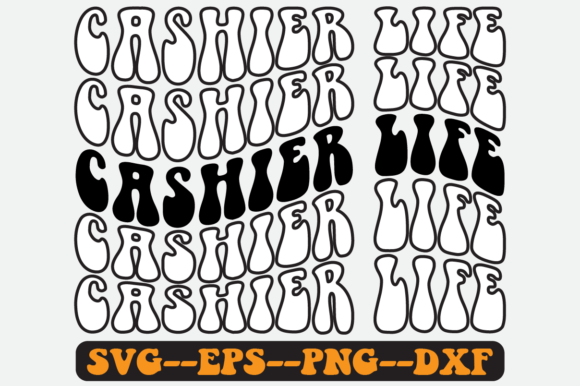
The mood of this design is instantly recognizable. It captures that specific, weary-yet-proud energy of retail life with a vintage flair that feels authentic rather than forced. For embroidery designers, the layout is the first thing to scrutinize. The typography appears bold enough to hold its own, which is crucial when converting vector lines into satin or fill stitches. If the letters are too thin, they vanish into the fabric texture. If they are too dense, the garment puckers. From a visual standpoint, this design sits comfortably in the Graphics category of Crafts, offering a clean silhouette that should translate well to various mediums.
I imagine this design working best on items that have a bit of structure. A flimsy t-shirt might struggle to support heavy lettering, but a mid-weight cotton tote or a structured hoodie provides the perfect canvas. The retro vibe suggests a limited color palette, perhaps muted oranges, teals, or creams, which simplifies the thread change process and keeps production costs low for Etsy sellers.
Real-World Application: The Custom Tote Scenario
To test the viability of this asset, I mentally walked through a recent client request: a batch of custom embroidered tote bags for a local boutique’s staff appreciation gifts. The client wanted something fun but professional. The Cashier Life Quote Retro Svg Design fit the brief perfectly. However, the execution required careful planning.
In this scenario, I would place the design centrally on the bag, ensuring the hoop size accommodates the full width without distorting the edges. Using a cut-away stabilizer is non-negotiable here, as tote bags undergo significant stress. The design’s blocky, retro nature means it likely relies on solid fill stitches. I would need to check the stitch density carefully. If the digital embroidery file is too dense, the bag will feel stiff and board-like. If it is too light, the fabric weave will show through, ruining the crisp retro look.
This is where practical design judgment comes in. I would run a test stitch on scrap fabric identical to the final product. Watching the machine lay down the thread reveals issues that a screen preview never will. Does the satin stitch border around the letters pull the fabric? Are there jumps threads that need trimming? These details determine whether the finished product looks like a high-end boutique item or a hurried craft fair afterthought.
Navigating Fabric and Technical Constraints
While this design is versatile, it is not universal. Embroidery designers must be wary of where they apply it. For instance, using this on a stretchy baby onesie requires extreme caution. The retro font likely has sharp corners or thick blocks that can restrict the fabric's natural give. In such cases, I would recommend scaling the design down significantly or choosing a softer, more flexible stabilizer to prevent discomfort.
Dark fabrics present another challenge. If the design relies on light thread colors for that vintage pop, you must ensure adequate coverage. A running stitch underlay might not be enough to prevent the dark fabric from peeking through the fill stitches. I always advise checking the design in a black-and-white mockup first. If the contrast holds up in grayscale, it will likely hold up in thread. Conversely, on light fabrics, ensure the thread colors are vibrant enough to stand out against the background texture.
Curved surfaces, like caps or hats, require even more scrutiny. The Cashier Life Quote Retro Svg Design might need to be broken into smaller sections or arched to follow the cap’s contour. Stitching a large, flat rectangular design on a curved surface often leads to distortion at the edges. For caps, I would consider reducing the overall size and focusing on the central element of the quote to maintain clarity.
Commercial Value and Brand Consistency
For commercial embroidery projects, consistency is key. This design offers a strong visual hook that can enhance brand recognition for retail workers or serve as a humorous, relatable gift. When selling this as a personalized gift or a small shop product, the perceived value increases if the stitching is clean and the colors are well-matched. Customers trust handmade products that look professional. A sloppy execution of a retro design can look dated rather than vintage.
Etsy sellers and creative entrepreneurs should note that while this is a printable product suitable for sublimation on t-shirts and hoodies, its value in embroidery lies in the texture. Thread adds a tactile dimension that ink cannot replicate. Highlighting this difference in your product descriptions can justify a higher price point. Use terms like "premium textured finish" or "durable stitched art" to differentiate your embroidered items from printed counterparts.
Practical Designer Notes for Implementation
Before committing to a full production run, keep these technical checks in mind:
- Test on Scrap Fabric: Always stitch a sample on the exact material you plan to use. Fabric texture affects how stitches sit.
- Check Thread Contrast: Ensure your chosen thread colors provide enough contrast against the fabric, especially for detailed retro fonts.
- Review Stitch Density: High density can cause puckering. Adjust pull compensation if your machine allows it.
- Confirm Hoop Size: Make sure your hoop can accommodate the full design without re-hooping, which risks misalignment.
- Inspect Small Details: Zoom in on the digital file. Are there tiny elements that might break or get lost in stitching?
- Licensing Verification: Since this is a digital asset, confirm the license terms. Can you sell finished physical items? Can you resell the digital file? Always clarify this before listing on Etsy or other platforms.
The Cashier Life Quote Retro Svg Design is a strong candidate for your next embroidery project, but only if treated with technical respect. It bridges the gap between nostalgic graphics and tangible craft, offering a unique opportunity for makers to create meaningful, humorous, and stylish products. By paying attention to stabilizer choice, stitch density, and fabric compatibility, you can transform a simple digital file into a standout piece of wearable art.