Reviewing the Teacher SVG PNG Sublimation for Real Embroidery Use
As a designer who spends more time staring at stitch maps than finished garments, I have learned to look past the glossy preview images. When a file lands on my desktop, I am not just looking at a pretty picture; I am visualizing how it will translate from a digital vector into thread and fabric. Recently, I evaluated the Teacher SVG PNG Sublimation package to determine its viability for actual production work. This is not just about whether the graphic looks cute on a screen; it is about whether it holds up under the needle of an embroidery machine and meets the expectations of a paying customer.
First Impressions and Design Personality
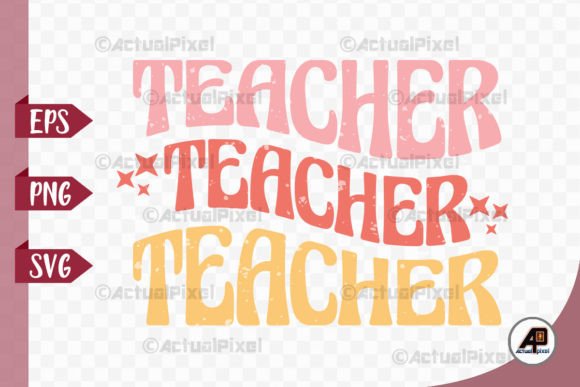
The initial download provides a mixed bag of assets, which is common in modern Crafts marketplaces. You receive seven items: one EPS, three PNGs at 300 dpi in color, black, and white, and three SVGs in the same variations. For an embroidery designer, the SVG and EPS files are the critical components here. The design carries a distinct mood—professional yet approachable, perfectly suited for the education sector. The layout is clean, avoiding the clutter that often plagues quote-based designs. This simplicity is a strength. In embroidery, less is often more because every additional detail adds complexity to the stitching process and increases the risk of puckering or thread breaks.
The visual personality of this Teacher SVG PNG Sublimation suggests versatility. It does not scream "novelty item" but rather feels like a thoughtful addition to a wardrobe or home good. This distinction matters when you are building a brand. If you are an Etsy seller or a small shop owner, your products need to look intentional. A design that feels rushed or overly complex can detract from the perceived value of the handmade product. This design, with its balanced proportions, offers a solid foundation for creating items that customers will trust and wear with pride.
Real-World Application Scenarios
To truly test a design, I imagine it in specific use cases. Let’s consider a custom embroidered tote bag. Tote bags are popular personalized gifts for teachers at the end of the school year. Using the SVG from this package, I can scale the design to fit a standard hoop. Because the design likely features bold lines and clear typography (inferred from the "quote" description), it translates well to the textured surface of canvas. The contrast between the thread and the fabric becomes the focal point.
Another strong candidate is sweatshirt embroidery. A crewneck sweatshirt provides a stable, thick fabric that handles stitch density well. If I were producing a line of custom apparel for a local school staff, this design would work beautifully on the left chest area. It is subtle enough for daily wear but distinctive enough to show school spirit. The availability of black and white versions in the package is particularly useful here. It allows me to plan for both light and dark garment colors without having to manually recolor the design in software, saving valuable production time.
For those interested in sublimation, the included high-resolution PNGs are essential. While my focus is embroidery, many crafters use hybrid techniques. You might embroider a border or accent while sublimating the main quote onto a polyester blend shirt. Having both file types in one package streamlines the workflow for multi-method projects, making it a versatile asset for any creative entrepreneur.
Technical Considerations for Stitching
Here is where the rubber meets the road. Since this package provides vector and raster graphics rather than native embroidery files like PES or DST, you must digitize the design yourself or use auto-digitizing software. This requires a keen eye for stitch density. If the design has large filled areas, you must ensure you are using appropriate fill stitch patterns to prevent the fabric from pulling. For text elements, a satin stitch often provides the crispest finish, but only if the lettering is not too small. Tiny lettering can become illegible once stitched, turning into a blob of thread.
I recommend testing the design on scrap fabric first. Check how the thread colors interact with your chosen material. If you are working with a textured fabric like terry cloth for a towel, you may need to increase the stitch density slightly to ensure the design pops. Conversely, on thin or stretchy fabrics, such as those used for baby embroidery items, you must use a high-quality stabilizer to prevent distortion. The design’s clarity in the SVG format allows you to inspect corners and curves before digitizing, helping you decide where to place running stitch outlines for definition.
Be cautious with curved surfaces like caps. If you plan to create an embroidered patch or stitch directly onto a hat, the design’s width must fit within the cap’s curvature without distorting. The scalable nature of the SVG helps here, allowing you to adjust the size precisely to fit a standard cap hoop. Always confirm the hoop size limitations of your machine before finalizing the dimensions.
Commercial Viability and Brand Consistency
For commercial embroidery projects, consistency is key. This Teacher SVG PNG Sublimation package offers a professional baseline. When customers buy a finished product, they are buying into your brand’s aesthetic. A clean, well-proportioned design reinforces professionalism. It suggests that you care about quality, which builds customer trust. Whether you are selling at a craft fair or online, the visual appeal of the design directly impacts buyer engagement.
However, you must verify the licensing terms. The product description mentions "quality records are reasonable for uti," which implies utility, but it does not explicitly state commercial rights. Before selling items made with this design, always confirm the license. Many designers allow commercial use for physical items but restrict the resale of the digital file itself. As a responsible craft business owner, protecting your legal standing is as important as protecting your stitch quality.
Final Verdict for Makers and Designers
The Teacher SVG PNG Sublimation is a practical addition to your library of design assets. It bridges the gap between digital graphics and tangible crafts. For embroidery designers, it offers a clean canvas for digitization. For small shop product creators, it provides a ready-to-use theme that resonates with a specific audience. Remember to treat the SVG as a starting point, not a final stitch file. Invest time in proper digitization, choose your thread colors wisely, and always test on similar fabrics.
By approaching this design with a critical eye for technical execution, you can transform a simple graphic into a high-value holiday embroidery gift or a staple in your boutique branding. It is not just about having the file; it is about understanding how that file behaves in the real world of thread, tension, and texture. Use it wisely, and it will serve your embroidery project goals well.